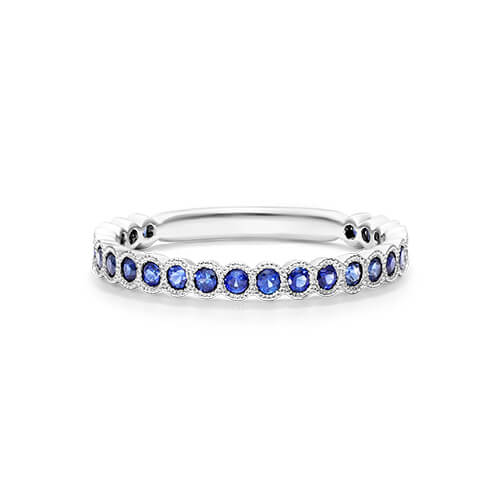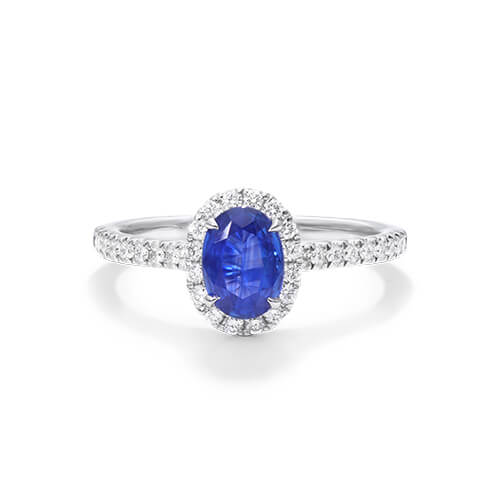

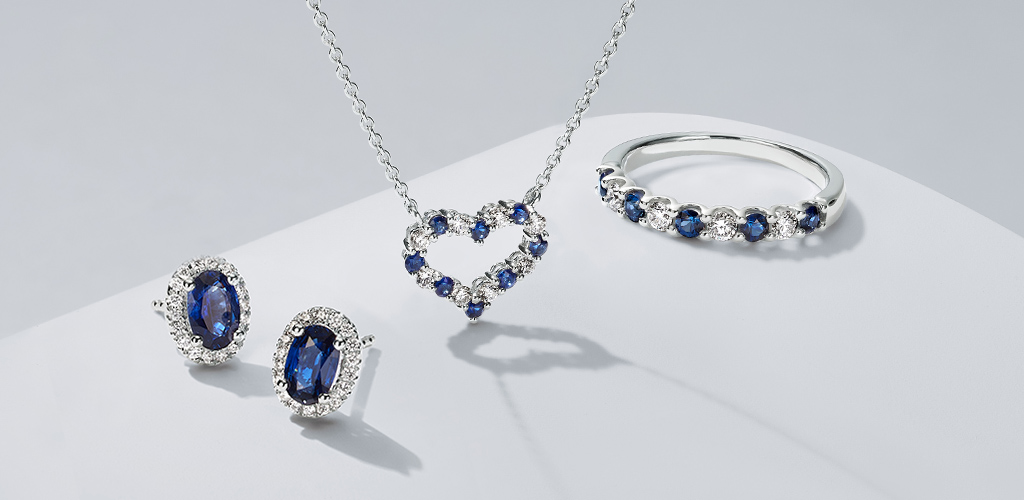
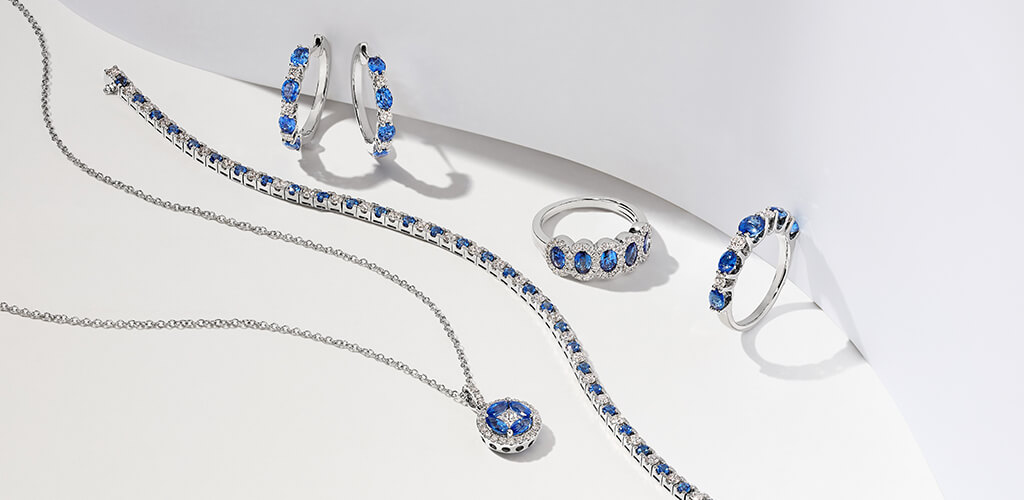
The September birthstone is sapphire, a gemstone from the corundum family known for its classic blue hues but found in many other colors. Sapphire is traditionally associated with loyalty, sincerity and truth and is valued for both beauty and exceptional durability in everyday jewelry.
Long valued for its depth of color, durability and symbolism, sapphire has become one of the most enduring and widely worn birthstones in fine jewelry. Best known for rich blue tones, sapphires also appear in a range of colors, offering long-lasting style suitable for everyday wear in modern jewelry.
While carnelian and lapis lazuli are recognized as alternative September birthstones, sapphire remains the primary stone associated with the month. In this guide, we explore the characteristics and care of sapphires, with tips for selecting a piece for everyday wear or to celebrate your love on a special occasion.

Sapphire is the primary birthstone for September. In recent years, carnelian and lapis lazuli have also been recognized as alternative September birthstones, however the sapphire remains the most widely accepted choice today.
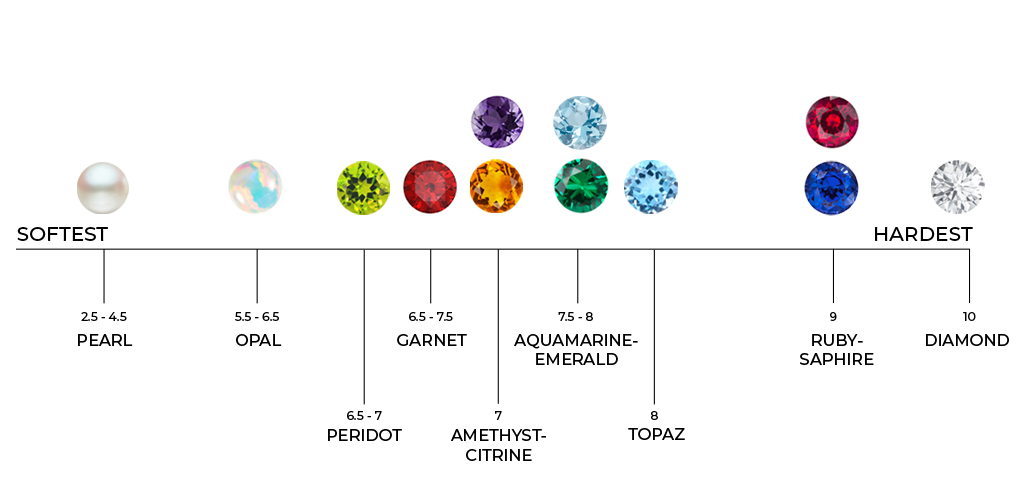
Sapphire belongs to the corundum mineral family, which is known for its extreme durability. Ranking 9 on the Mohs hardness scale, sapphire resists chips and scratches better than most colored gemstones. This strength makes the sapphire birthstone a popular choice for rings, earrings and other jewelry designed for regular wear.
The comparison below highlights the differences between sapphire and other September birthstones:
|
Color |
Durability (Mohs Scale) |
Key Traits |
|
|
Sapphire |
Blue, pink, yellow, green, white, and more |
9 |
Transparent gemstone suitable for rings and daily wear |
|
Carnelian |
Warm red to orange
|
6.5–7 |
Opaque stone best for occasional wear |
|
Lapiz Lazuli |
Deep blue with gold flecks |
5–5.5 |
Soft, opaque stone often used in statement jewelry |
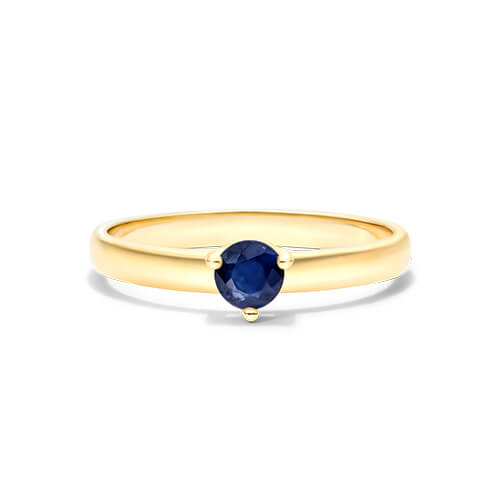
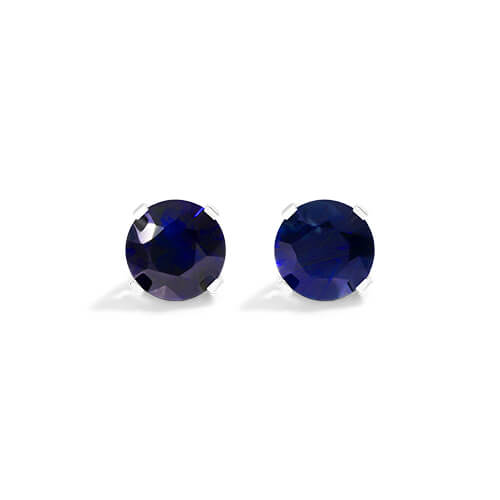
The most recognized September birthstone color is blue, with the blue sapphire serving as the classic representation of the month. The rich, saturated blues make it a distinct and highly sought after gemstone in fine jewelry.
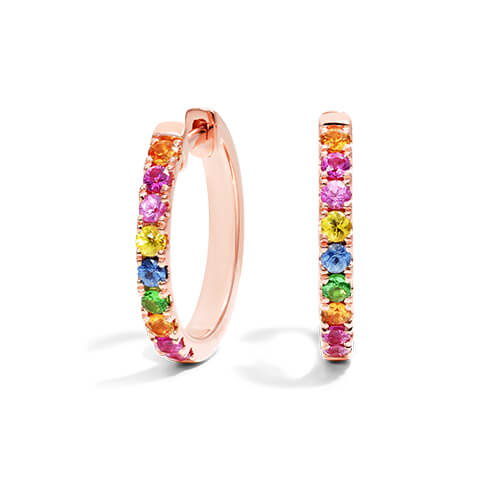
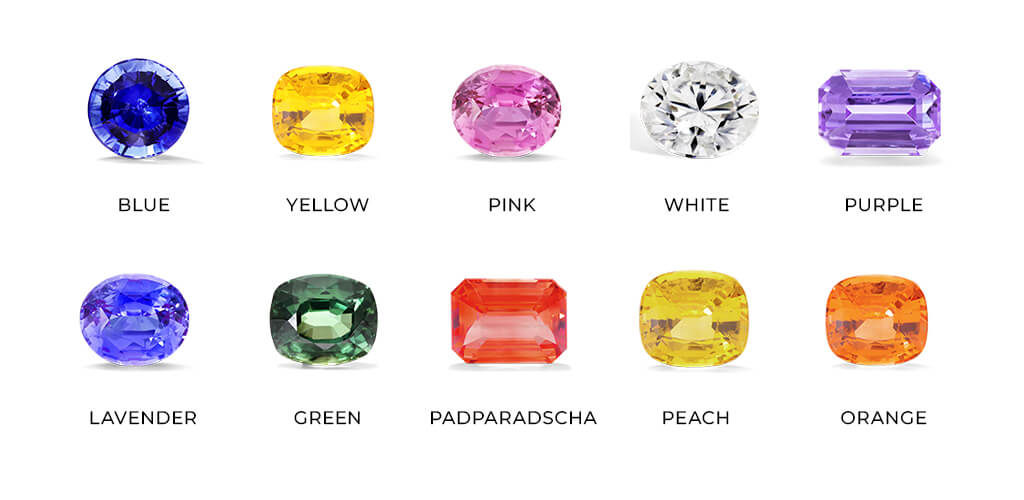
That said, sapphire isn’t limited to one shade. Trace elements present during formation gives sapphires a wide range of hues and saturation levels, appearing in a variety of colors including pink, purple, green, or yellow. These variations influence both appearance and price, giving buyers flexibility when choosing a stone that fits their style.
Carnelian is known for its warm orange-red tones, while lapis lazuli features deep blue shades marked by gold-colored flecks. Together, these gems show how the September birthstone color spectrum can extend beyond blue, even though sapphire remains the traditional birthstone for the month.

Sapphires span a broad color spectrum, giving the September birthstone visual range without sacrificing durability.
In addition to color, sapphires are categorized by optical effects and formation traits that influence how each stone looks.
Sapphire symbolizes loyalty, truth and nobility. This is why royalty and clergy wore them as emblems of authority and divine favor, particularly in ancient Europe and Asia.
Carnelian is linked to courage, motivation and confidence, often associated with vitality and personal strength. Lapis lazuli represents truth, wisdom and self-expression, valued for its deep blue color and longstanding use in art and spiritual objects.
Color also plays a role in the September birthstone meaning. Different sapphire hues are often associated with distinct qualities, such as:
These gemstones reflect a broad emotional range tied to September. The sapphire birthstone remains a thoughtful choice among the most popular gemstones for engagement rings and fine jewelry.
Sapphires are sourced from a limited number of regions around the world, where geological conditions allow corundum formation. Historically, some of the most well-known sources include Kashmir, Myanmar (formerly Burma) and Sri Lanka. Sri Lanka has long been recognized for producing sapphires with particularly vivid color and high transparency.
More recently, additional deposits have been discovered across Australia, Thailand, Cambodia, Madagascar, India, and the United States, particularly Montana. While sapphire appearance can vary by location, all sapphires share the same fundamental properties, regardless of geographic location.
Sapphire jewelry spans a wide range of price points, influenced by color, carat weight, treatment and quality.
James Allen offers premium sapphire jewelry for any budget:
|
Sapphire earrings |
$400 – $3,000+ |
|
Sapphire necklaces |
$275 – $3,000 |
|
Sapphire rings |
$200 – $20,000+ |
|
Loose sapphires |
$200 – $25,000+ |
Colored gemstones, including sapphires, are evaluated using the 4Cs to describe appearance. However, they are not assigned overall quality grades like diamonds. Gemological organizations such as the Gemological Institute of America (GIA) document a stone’s features to help buyers evaluate and compare individual sapphires.
Reports may also include information about a sapphire’s origin and whether it has been treated, such as through heat enhancement to improve color or clarity. These details are typically disclosed to provide additional context about how the stone was formed and prepared for sale.
Although well-suited for regular wear thanks to its durability, sapphire benefits from routine care to help maintain its appearance over time. Professional cleaning is recommended periodically, especially for pieces worn often or set with accent stones, as a jeweler can safely clean and inspect the setting for looseness or wear.
For regular upkeep at home, sapphire jewelry can be cleaned using gentle methods that won’t damage the stone or setting. Avoid harsh chemicals or abrasive cleaners, and always handle your jewelry with care to help maintain its appearance.
Sapphire is a versatile gemstone that works across a wide range of jewelry styles and occasions, valued for balancing visual impact with everyday practicality. Whether chosen to celebrate a September birthday, mark a proposal, reflect personal taste, or serve as stylish gifts for bridesmaids, sapphire jewelry adapts easily to different moments and meanings.
When deciding on a piece, consider the following factors:
Deep, evenly saturated sapphires tend to appear richer, while lighter or pastel hues offer a softer, more understated look. The wide color range makes it easy to align the stone with the recipient’s personal style or overall aesthetic.
Although striking in statement pieces, sapphire is well-suited for rings, bracelets and earrings worn often. Its durability is one reason it’s used in sapphire engagement rings, including the iconic sapphire ring worn by Princess Diana.
Bezel and halo settings enclose more of the sapphire’s edges, offering greater protection for jewelry worn regularly. Prong settings leave more of the stone exposed, emphasizing color and light but requiring more care during wear.
With its versatility and enduring symbolism, sapphire is a natural choice for meaningful jewelry. As the September birthstone, it has wide appeal for birthday celebrations to those exploring diamond alternatives for engagement rings.
Whether you’re drawn to classic blue or a fancy color, sapphire jewelry is available across most styles. Explore our September birthstone jewelry collection and discover the piece that’s right for you.
June is often considered the rarest birthstone month because alexandrite, its primary gemstone, is naturally scarce. December is sometimes cited as well due to tanzanite’s limited supply. By comparison, the September blue sapphire birthstone is widely available overall, though certain varieties—such as padparadscha sapphire—are exceptionally rare.
Yes, sapphire, carnelian and lapis lazuli are all recognized September birthstones. However, in most modern references, sapphire is the primary stone people associate with September, especially for fine jewelry and engagement pieces.
Yes, sapphire is highly durable and well-suited for daily wear. Ranking 9 on the Mohs scale of hardness, it resists scratching and is often chosen for jewelry worn regularly, which is why the sapphire is associated with long-lasting designs.
Yes, sapphires offer a high level of customization through choices such as color, cut, setting style, and metal type. These options allow the gemstone to reflect individual style while maintaining the durability and character that make sapphire a popular choice for fine jewelry.
While sapphires are considered one of the most valuable gemstones, prices vary widely depending on its characteristics and origin. Some rare sapphires can be costly, but many options are available at more accessible price ranges, making sapphire a versatile choice across different budgets.